

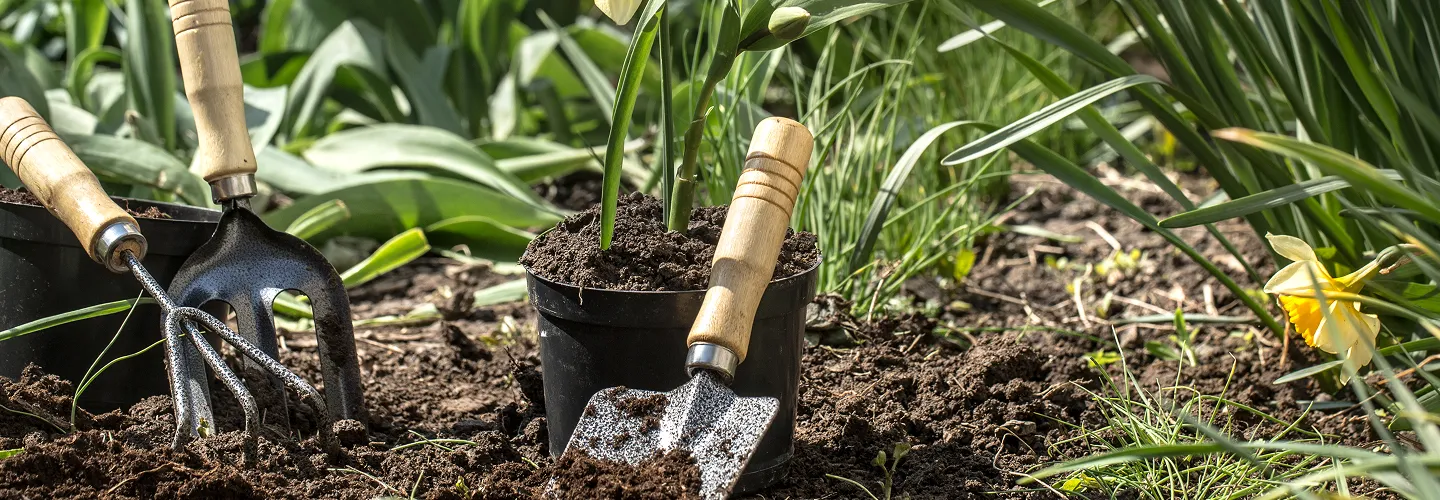
Framingham Flower Bed Maintenance Services
Choose our Flower Bed Maintenance for expert care, vibrant blooms, and a weed-free garden—so you can enjoy a beautiful, healthy landscape without the hassle.
Get a Free QuoteWhen to Schedule Flower Bed Maintenance in Framingham, Massachusetts – Seasonal Guide
In Framingham, Massachusetts, the timing of flower bed maintenance is closely tied to our unique New England climate and the specific needs of local landscapes. Early spring, just after the last frost date—typically in mid-April—is ideal for cleaning up beds, dividing perennials, and preparing soil for new plantings. Fall maintenance, usually from late September through October, is equally important for mulching, removing spent annuals, and protecting perennials before winter sets in.
Local factors such as the proximity to the Sudbury River, the mature tree canopy in neighborhoods like Saxonville, and the varying soil types found near Callahan State Park all play a role in determining the best maintenance schedule. Homeowners should also consider municipal guidelines and resources, such as those provided by the Town of Sudbury, to stay informed about local environmental recommendations and restrictions.
Local Factors to Consider for Flower Bed Maintenance in Framingham
- Tree density and shade coverage, especially in areas like Nobscot and near Cushing Memorial Park
- Soil composition and drainage, which can vary between neighborhoods
- Average precipitation and risk of summer droughts
- Frost dates and temperature fluctuations in spring and fall
- Municipal watering restrictions or landscaping ordinances
- Terrain and slope, which affect runoff and soil erosion
Benefits of Flower Bed Maintenance in Framingham
Enhanced Curb Appeal
Weed and Pest Prevention
Healthier Plant Growth
Seasonal Color Variety
Professional Landscape Expertise
Time and Effort Savings
Framingham Flower Bed Maintenance Types

Seasonal Flower Planting
-
Weed Control Services
-
Mulching and Soil Amendment
-
Pruning and Deadheading
-
Fertilization Programs
-
Pest and Disease Management
-
Edging and Bed Redefining
Our Flower Bed Maintenance Process
Site Evaluation
Weed Removal
Soil Preparation
Plant Care
Mulching
Why Choose Framingham Landscape Services
-
Framingham Homeowners Trust Us
-
Expert Lawn Maintenance
-
Reliable Seasonal Cleanups
-
Competitive Pricing
-
Professional Team
-
Satisfaction Guarantee
-
Personalized Service
Contact Framingham's Department of Public Works for Garden Debris Disposal & Municipal Composting Programs
Proper garden debris management in Framingham is coordinated through seasonal curbside collection from April to November, requiring the use of biodegradable paper bags (plastic bags are prohibited per MassDEP). Bundles of pruned material must not exceed 4-foot lengths or 50 lbs, and should be tied with biodegradable twine. For larger volumes or contractor disposal, the Transfer Station operates under specific hours and permit requirements, and offers on-site composting in partnership with the Department of Public Works.
Framingham Department of Public Works
100 Western Avenue, Framingham, MA 01702
Phone: (508) 532-5600
Official Website: Framingham Department of Public Works
Healthy plant material (annual removals, perennial divisions, deadheading) is suitable for municipal composting, while diseased material (e.g., powdery mildew, blight, rust) must be bagged and sent to landfill. Invasive species require special containment and certified disposal. Finished municipal compost, typically with a 1-1-1 nutrient analysis, is available for soil amendment in spring and fall, with bulk delivery options for large projects. For fire safety, maintain mulch setbacks of 3-5 feet from structures, coordinate with the Fire Department, and use hardwood mulch, keeping it moist during drought.
Framingham Fire Department
10 Loring Drive, Framingham, MA 01702
Phone: (508) 532-5930
Official Website: Framingham Fire Department
Professional Soil Assessment & Amendment Requirements for Framingham's Glacial Till & Rocky Soils
Soil testing is essential for successful flower bed establishment in Framingham, where glacial till and rocky soils predominate. Residents are encouraged to use the UMass Soil Lab for pH (typically 5.5-6.5), nutrient, and organic matter analysis. Most local soils are acidic and may require lime to reach the optimal 6.0-7.0 pH for flowering plants. Organic matter is often low (2-3%), necessitating amendment to achieve the recommended 4-6%. Incorporate 2-3 inches of compost into the top 8-12 inches of soil, and consider raised beds (8-12 inches high) for poorly drained areas. Fall is the preferred time for lime application, allowing for winter breakdown. Urban sites may require lead testing, especially near older structures, and compacted soils benefit from double-digging or mechanical tilling. For detailed soil mapping, consult the USDA Web Soil Survey.
Framingham Conservation Commission Guidelines for Flower Bed Maintenance Near Protected Areas
Gardening near wetlands or protected areas in Framingham is regulated under the Wetlands Protection Act, requiring permits for work within 10-25 feet of wetlands or streams. Seasonal restrictions apply during wildlife breeding (April-Aug). Protect existing tree root systems by avoiding cultivation within the drip line, as 80% of roots are in the top 12 inches. Use organic and low-impact practices, and prioritize native, pollinator-friendly plants such as New England aster, black-eyed Susan, bee balm, and milkweed. Delay perennial cutback until spring to protect overwintering insects, and coordinate with municipal pollinator initiatives. Mulch flower beds with 2-4 inches of organic material to control runoff and erosion, and use silt fencing on slopes during renovations. For projects near conservation land, contact:
Framingham Conservation Commission
150 Concord Street, Framingham, MA 01702
Phone: (508) 532-5460
Official Website: Framingham Conservation Commission
Integrated Pest Management & Plant Health Care Standards for Framingham's Climate Zone 6a
Integrated Pest Management (IPM) in Framingham's USDA Zone 6a emphasizes cultural, mechanical, biological, and, as a last resort, chemical controls. Select plants suited to local soils and climate, space them 12-18 inches apart for air circulation, and water at the base to prevent disease. Hand-weeding, shallow cultivation, and row covers are effective mechanical controls, while diverse plantings attract beneficial insects like ladybugs. Common pests include Japanese beetles (June-July), slugs (moist soils), powdery mildew (late summer), aphids, and deer browsing. Chemical controls require a licensed applicator per MA Dept Agricultural Resources, with strict record-keeping and notification. Sanitize tools with 70% isopropyl alcohol or 10% bleach solution for 30 seconds, and dispose of diseased material in sealed bags to landfill. For regulatory guidance, contact:
Framingham Board of Health
31 Flagg Drive, Framingham, MA 01702
Phone: (508) 532-5470
Official Website: Framingham Board of Health
Seasonal Maintenance Calendar & Weather Coordination for Framingham's Growing Conditions
Framingham's climate (Zone 5b-7a) features a last frost in mid-May and a first frost in early to mid-October. Spring (April-May) is for soil preparation, perennial cleanup, and bulb deadheading, with mulch renewal (2-4 inches). Summer (June-August, 70-85°F) requires intensive irrigation, pest monitoring, and heat stress management. Fall (September-October) is optimal for dividing spring bloomers, planting bulbs (October-November), and soil testing. Winter (November-March, 10-30°F) focuses on protective mulching and planning. Weather-responsive practices include deep mulching, early morning watering (5-7 AM, 1-1.5 inches weekly), and storm damage assessment. For local weather updates, consult NWS Boston/Norton. Seasonal maintenance should be coordinated with municipal schedules for debris collection and public garden care.
Framingham Water Department Coordination for Efficient Irrigation & Conservation Compliance
Efficient irrigation in Framingham is managed by the Water Department, with seasonal restrictions (odd/even watering) often in effect from May to September. Drip irrigation is preferred for flower beds to reduce evaporation and disease risk, and rain sensors are required for automated systems. Soil moisture should be monitored, as glacial till and clay soils retain water, while sandy soils drain quickly. Mulching (2-4 inches) helps retain moisture and reduce evaporation by 50%. Early morning watering (5:00-9:00 AM) is optimal, and hand-watering exemptions apply for new plantings during the first 30 days. Installation of irrigation systems requires permits and annual backflow prevention device testing. For water service and billing inquiries:
Framingham Water & Sewer Billing Division
150 Concord Street, Framingham, MA 01702
Phone: (508) 532-5605
Official Website: Framingham Water & Sewer Billing Division
Professional Plant Selection, Installation & Replacement Standards for Sustainable Gardens
Plant selection in Framingham should match site conditions: full sun (6+ hours), part shade (2-4 hours), or shade (<2 hours), and consider soil pH (5.5-6.5). Choose species hardy to -15 to -20°F and tolerant of 85°F+ summer temperatures. Prioritize MA natives such as New England aster, black-eyed Susan, bee balm, and coneflower for pollinator support and resilience. Install plants at the correct depth, using a 50% native soil/50% compost mix, and mulch immediately (2-4 inches, with 2-3 inch clearance from stems). Spring (late April-May) and early fall (September-early October) are optimal planting times, allowing 6-8 weeks before hard frost for root establishment. Use nursery-grown, disease-free stock (#1 or #2 containers), and provide establishment care with deep watering 2-3 times weekly for the first month.
Stormwater Management & Pollinator Protection in Compliance with Framingham's Environmental Initiatives
Framingham's stormwater management aligns with MassDEP Stormwater Standards and Clean Water Act MS4 requirements. Prevent fertilizer and pesticide runoff by applying products based on soil tests, using slow-release formulations, and avoiding application before heavy rain. Incorporate organic matter to improve water retention and reduce runoff by 20-30%. Mulch beds with 2-4 inches to prevent erosion, and consider rain gardens for stormwater infiltration. Support pollinators by planting native species and leaving perennial stalks through winter. Coordinate with local pollinator initiatives and MA Audubon for habitat integration. These practices contribute to carbon sequestration, air quality improvement, and urban heat island mitigation, supporting Framingham's sustainability goals.
Municipal Coordination for Public Garden Maintenance & Community Beautification Programs
Public flower beds in Framingham parks and public spaces are maintained by the Parks & Recreation Department, with support from volunteers and community organizations. Seasonal displays, such as spring bulbs and summer annuals, are coordinated with civic beautification programs. The Master Gardener program, in partnership with UMass Extension, offers volunteer training and community education. Plant donation programs and local garden clubs contribute to public plantings, while maintenance scheduling is coordinated to minimize disruption during public events. Demonstration gardens and school programs promote sustainable gardening and environmental awareness.
Framingham Parks & Recreation
475 Union Avenue, Framingham, MA 01702
Phone: (508) 532-5960
Official Website: Framingham Parks & Recreation
What Neighborhoods Do We Serve Throughout Framingham, MA?
Framingham encompasses diverse neighborhoods, each with unique microclimates and soil conditions. Historic districts like Saxonville and Downtown feature mature tree canopies (30-50% shade) and glacial till soils, while newer developments in Nobscot and East Framingham offer more sun and sandy outwash soils. South Framingham and Coburnville may experience urban heat island effects (5-10°F warmer), requiring additional irrigation. Proximity to wetlands in areas like Hemenway and Farm Pond necessitates Conservation Commission coordination. Infrastructure varies, with some neighborhoods having professional irrigation systems and others relying on manual watering. Community standards range from manicured landscapes in planned developments to naturalized plantings in conservation areas. Maintenance logistics are influenced by street width, equipment access, and municipal waste collection schedules. For utility marking before digging, contact Dig Safe.
Framingham Municipal Ordinances for Garden Maintenance Equipment Operation & Commercial Service Standards
Garden maintenance in Framingham is subject to municipal ordinances regulating equipment operation hours (7:00 AM-7:00 PM weekdays, 8:00 AM-6:00 PM Saturdays, with Sunday restrictions often before 9:00 AM or prohibited). Noise and safety regulations apply, and commercial contractors must be licensed and registered for contracts >$1,000, with a minimum 1M general liability insurance and workers compensation coverage. Right-of-way work requires coordination with the Police Department and appropriate permits. Environmental compliance mandates proper material handling, prevention of fluid leaks, and immediate cleanup. Herbicide and pesticide use must comply with state licensing and notification requirements, with buffer zones near water bodies. For permit applications and inspection services:
Framingham Building & Land Use Applications
150 Concord Street, Framingham, MA 01702
Phone: (508) 532-5500
Official Website: Framingham Building & Land Use Applications