

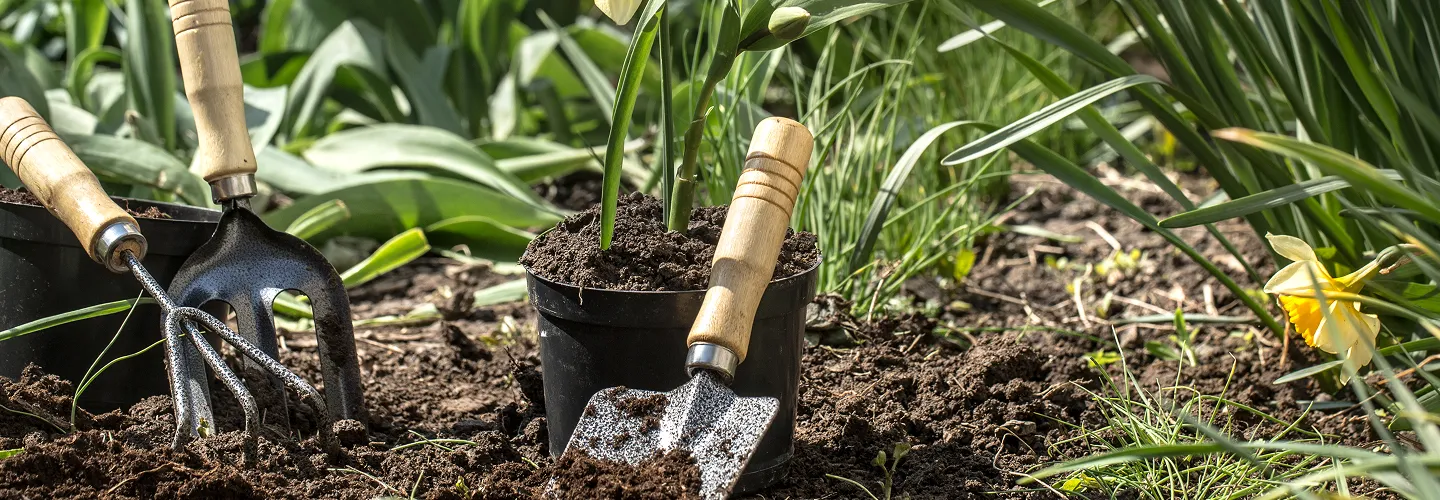
Framingham Lawn Grubs Control Services
Choose our Lawn Grubs Control for expert solutions that eliminate pests and restore your lawn’s health, ensuring a lush, green yard all season long.
Get a Free QuoteWhen to Schedule Lawn Grubs Control in Framingham, Massachusetts – Seasonal Guide
In Framingham, Massachusetts, the best time to schedule lawn grubs control is typically late summer through early fall, when grubs are young and most vulnerable to treatment. The region’s climate—with its humid summers, variable rainfall, and cold winters—means that timing is crucial for effective grub management. For neighborhoods near Cushing Memorial Park or along the Sudbury River, the combination of shaded lawns and well-irrigated soil can create ideal conditions for grub infestations. Monitoring local frost dates and soil temperatures is essential, as grubs become active when soil warms above 55°F, usually in late spring and again in late summer.
Local environmental factors such as the risk of summer drought, the prevalence of clay or sandy soils in areas like Saxonville, and the amount of tree canopy coverage all play a role in determining the optimal treatment window. Homeowners should also be aware of any municipal guidelines or seasonal restrictions, which can be found on the Town of Sudbury’s official website, to ensure compliance with local regulations.
Local Factors to Consider for Lawn Grubs Control in Framingham
- Tree density and shade coverage (e.g., mature oaks in Nobscot)
- Soil type (clay vs. sandy soils in different neighborhoods)
- Precipitation patterns and drought risk
- Proximity to water features like Farm Pond
- Municipal restrictions or recommended application periods
- Terrain and drainage characteristics
Benefits of Lawn Grubs Control in Framingham
Effective Grub Elimination
Healthier, Greener Lawns
Eco-Friendly Treatment Options
Experienced Landscaping Professionals
Customized Lawn Care Plans
Long-Term Pest Prevention
Framingham Lawn Grubs Control Types

Preventative Grub Treatments
-
Curative Grub Control
-
Organic Grub Management
-
Biological Grub Control
-
Chemical Insecticide Application
-
Nematode-Based Solutions
-
Integrated Pest Management
Our Lawn Grubs Control Process
Inspection and Identification
Customized Treatment Plan
Targeted Application
Monitoring and Follow-Up
Why Choose Framingham Landscape Services
-
Framingham Homeowners Trust Us
-
Expert Lawn Maintenance
-
Reliable Seasonal Cleanups
-
Competitive Pricing
-
Professional Team
-
Satisfaction Guarantee
-
Personalized Service
Framingham’s Glacial Till Soils and Their Impact on Lawn Grub Management
Framingham’s predominant soils, as identified by the USDA Web Soil Survey, are glacial till types such as Paxton and Canton fine sandy loams. These soils are moderately to poorly drained, with pH levels typically ranging from 5.2 to 6.2, and often exhibit compaction in developed neighborhoods. Such conditions can exacerbate lawn grub infestations, as grubs thrive in moist, organic-rich soils. Effective grub control in Framingham requires soil testing to determine pH and organic matter content, followed by targeted aeration to a depth of 2-3 inches to reduce compaction. Residents are encouraged to submit soil samples through UMass Extension for analysis (typical cost: $15-25). Key soil management steps include:
- Aerate compacted areas in early spring or fall
- Apply lime if pH is below 6.0
- Incorporate 2-3 inches of compost to improve drainage
Seasonal Timing for Grub Control in Framingham’s Cool-Season Lawns
Framingham’s USDA Hardiness Zone 6b dictates the optimal timing for lawn grub control. The most effective window for preventive treatment is May 15 to July 15, when Japanese beetle and European chafer larvae are young and most susceptible. Soil temperatures should be monitored, with applications best made when soil reaches 55°F at a 2-inch depth, typically in late May. Avoid treatments during periods of drought or heat stress (late July-August), as grubs burrow deeper and products become less effective. For curative treatments, late August to early September is recommended if damage is observed. Residents can access local soil temperature data and weather forecasts through the National Weather Service Boston/Norton Office. Recommended timing guidelines:
- Preventive: May 15 – July 15 (soil 55°F)
- Curative: August 20 – September 15
- Avoid: June-August (heat/drought stress)
Municipal Coordination and Yard Waste Disposal for Grub-Infested Turf
Proper disposal of grub-damaged turf and soil is regulated by Framingham’s Department of Public Works. Weekly yard waste collection occurs every Thursday from April through November. Residents must use biodegradable paper bags or 32-gallon reusable containers; plastic bags and branches over 4 inches in diameter are prohibited. All infested sod and soil should be bagged separately to prevent spread of pests. For large quantities, the city’s Recycling Drop-Off Center accepts yard waste during posted hours. Compliance with these procedures helps prevent violations of the city’s MS4 stormwater permit under the Clean Water Act. Collection requirements include:
- Weekly pickup: Thursday, April–November
- Accepted: Leaves, grass, sod, brush under 4 feet
- Containers: Paper bags or 32-gallon bins
- Prohibited: Plastic bags, large branches
Framingham Department of Public Works
150 Concord Street, Framingham, MA 01702
Phone: (508) 532-5600
Official Website: Framingham Department of Public Works
Environmental Compliance: Buffer Zones and State Pesticide Regulations in Framingham
Lawn grub control in Framingham must comply with both municipal and state environmental regulations. The Massachusetts Environmental Policy Act (MEPA) and Massachusetts Department of Environmental Protection require a 25-foot no-disturbance buffer from wetlands and prohibit pesticide or fertilizer application within 50 feet of any water body. Applicators must hold a valid Massachusetts pesticide license for any chemical treatments. The city’s Conservation Commission enforces these buffer requirements, especially near Baiting Brook, Sudbury River, and protected wetlands. Key compliance steps:
- Maintain 25-foot buffer from wetlands
- No pesticides/fertilizer within 50 feet of water
- Use only licensed applicators for chemical treatments
- Follow MS4 permit restrictions on runoff
Framingham Conservation Commission
150 Concord Street, Framingham, MA 01702
Phone: (508) 532-5460
Official Website: Framingham Conservation Commission
Massachusetts Department of Environmental Protection
Boston, MA
Official Website: Massachusetts Department of Environmental Protection
Professional Standards and Safety Protocols for Grub Control Operations in Framingham
All lawn grub control operations in Framingham must adhere to municipal noise ordinances and professional safety standards. Equipment operation is permitted:
- Monday-Friday: 7:00 AM – 7:00 PM
- Saturday: 8:00 AM – 6:00 PM
- Sunday and holidays: Prohibited
Operators must use commercial-grade spreaders and sprayers, maintain a 15-foot buffer from property lines, and ensure all personnel wear ANSI Z87.1 safety glasses, chemical-resistant gloves, and hearing protection for equipment exceeding 85 dB. When working near public roads or schools, high-visibility vests and traffic cones are required. The city’s Health Department provides additional guidance on safe pesticide use and personal protective equipment.
Framingham Health Department
150 Concord Street, Framingham, MA 01702
Phone: (508) 532-5470
Official Website: Framingham Health Department
What Neighborhoods Do We Serve Throughout Framingham, MA?
- Saxonville: Characterized by mature trees and proximity to the Sudbury River, Saxonville lawns often face drainage challenges and higher grub pressure due to moist soils and dense shade.
- Nobscot: This area features larger lots with a mix of sandy and loamy soils, requiring careful monitoring for grub activity, especially in open, sun-exposed lawns.
- Downtown Framingham: Urban compaction and limited green space increase the risk of turf stress and grub infestations; noise and equipment access are regulated due to higher density.
- Framingham Centre: Historic properties and older landscapes here often have compacted glacial till soils, necessitating regular aeration and soil amendment for effective grub control.
- Tripoli/Salem End Road: Proximity to conservation land and wetlands means strict enforcement of buffer zones and pesticide restrictions, with frequent wet soil conditions.
- Coburnville: Smaller lots and mixed-use zoning present unique challenges for equipment access and compliance with city noise ordinances during treatment windows.
- Bates/Edgell Road: This residential corridor features moderate slopes and variable drainage, requiring tailored grub management strategies and attention to runoff prevention.