

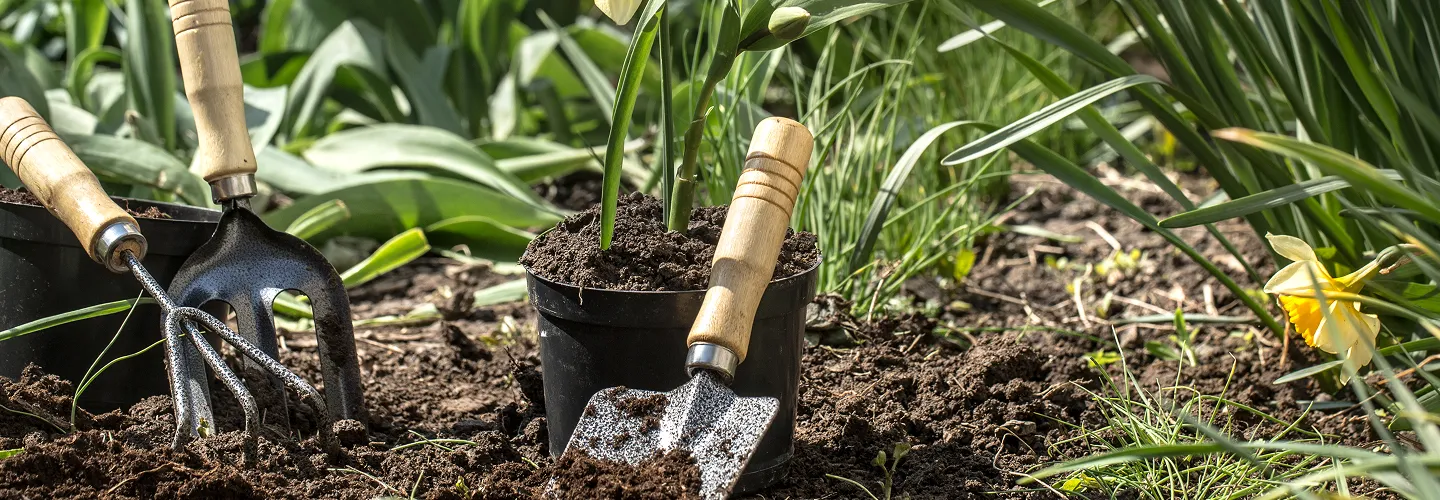
Framingham Lawn Renovation Services
Choose our expert lawn renovation services for a lush, healthy yard that enhances your home's beauty and value—our experienced team delivers reliable results tailored to your unique needs.
Get a Free QuoteWhen to Schedule Lawn Renovation in Framingham, Massachusetts – Seasonal Guide
Timing your lawn renovation in Framingham is crucial for achieving a lush, healthy yard that thrives year-round. The best periods for renovation are typically late summer through early fall, when soil temperatures remain warm but the risk of extreme heat or drought has diminished. This window allows new grass seed to establish before the first frost, which in Framingham generally occurs in late October. Spring can also be suitable, but unpredictable rainfall and lingering cold snaps may slow seed germination and root development.
Framingham’s diverse neighborhoods—from the tree-lined streets near Cushing Memorial Park to the open lawns of Saxonville—present unique challenges. Dense shade from mature maples, variable soil types, and the region’s moderate humidity all play a role in determining the optimal renovation schedule. Homeowners should also consider local resources, such as the Sudbury Valley Trustees, for guidance on sustainable landscaping practices tailored to our area.
Local Factors to Consider for Lawn Renovation in Framingham
- Tree density and shade coverage, especially in areas like Nobscot and Framingham Centre
- Soil composition and drainage, which can vary between neighborhoods
- Average precipitation and risk of summer drought
- Frost dates and seasonal temperature swings
- Terrain slope and potential for runoff
- Municipal watering restrictions or guidelines
Benefits of Lawn Renovation in Framingham

Enhanced Curb Appeal
Improved Lawn Health
Increased Property Value
Expert Local Knowledge
Efficient Project Completion
Customized Landscaping Solutions
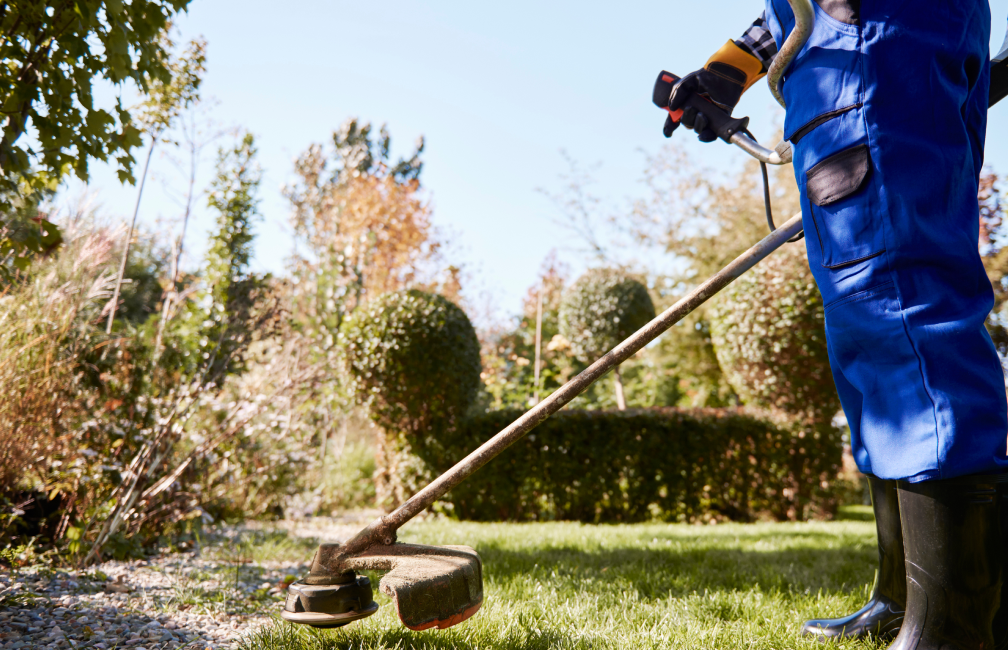
Framingham Lawn Renovation Types

Sod Installation
-
Hydroseeding
-
Overseeding
-
Aeration and Dethatching
-
Topdressing
-
Weed and Pest Control
-
Soil Amendment
Our Lawn Renovation Process
Site Evaluation
Soil Preparation
Seeding or Sodding
Watering and Fertilization
Ongoing Maintenance
Why Choose Framingham Landscape Services
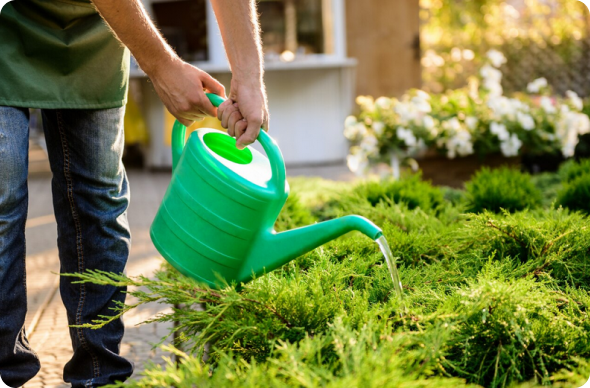
-
Framingham Homeowners Trust Us
-
Expert Lawn Maintenance
-
Reliable Seasonal Cleanups
-
Competitive Pricing
-
Professional Team
-
Satisfaction Guarantee
-
Personalized Service
Framingham’s Glacial Till Soils: Site Assessment and Renovation Strategies
Framingham’s predominant soils, as identified by the USDA Web Soil Survey, are glacial till types such as Paxton and Canton fine sandy loams. These soils are moderately to poorly drained, with pH typically ranging from 5.2 to 6.2, and often exhibit compaction in developed areas. Effective lawn renovation in Framingham requires core aeration to a depth of 2-3 inches, especially in compacted zones, and the incorporation of 2-3 inches of compost tilled to a 6-inch depth. Soil testing is recommended through UMass Extension (cost: $15-25) to determine lime or sulfur needs for pH adjustment. For properties near wetlands, maintain a 25-foot no-disturbance buffer as required by local ordinance. These site-specific practices help ensure healthy turf establishment and compliance with city and state environmental standards.
Framingham Department of Public Works
150 Concord Street, Framingham, MA 01702
Phone: (508) 532-5600
Official Website: Framingham Department of Public Works
Seasonal Timing and Weather Considerations for Lawn Renovation in Framingham
Framingham is located in USDA Hardiness Zone 6b, with optimal lawn renovation windows in mid-spring (April 15 – May 30) and late summer to early fall (August 20 – September 30). Soil temperatures should be between 50°F and 65°F for seeding and aeration. Avoid renovation during June-August due to heat stress and potential drought. The National Weather Service Boston/Norton Office provides up-to-date soil temperature and precipitation forecasts critical for scheduling. Key timing guidelines include:
- Spring seeding: April 15 – May 30
- Fall seeding: August 20 – September 30
- Fertilization: Early May and September for cool-season grasses
- Avoid major renovation during summer heat Monitoring local weather patterns helps ensure successful establishment and reduces the risk of erosion or runoff into sensitive areas.
Municipal Collection, Disposal, and Compliance with Framingham Ordinances
Proper disposal of lawn renovation debris in Framingham is governed by municipal collection schedules and city ordinances. Yard waste is collected weekly on Thursdays from April through November. Acceptable materials include leaves, grass clippings, and brush under 4 feet in length, placed in biodegradable bags or 32-gallon reusable bins. Plastic bags and branches over 4 inches in diameter are prohibited. Equipment operation is permitted:
- Monday-Friday: 7:00 AM – 7:00 PM
- Saturday: 8:00 AM – 6:00 PM
- Sunday and holidays: Prohibited
Violations may result in fines. For large renovation projects, coordinate with the Department of Public Works for debris drop-off at the city’s designated yard waste facility.
Framingham Department of Public Works
150 Concord Street, Framingham, MA 01702
Phone: (508) 532-5600
Official Website: Framingham Department of Public Works
Environmental Compliance: Wetland Buffers and Stormwater Management in Framingham
Lawn renovation activities in Framingham must comply with local and state environmental regulations, including the Massachusetts Environmental Policy Act (MEPA) and the city’s MS4 stormwater permit under the Clean Water Act. Properties adjacent to wetlands, streams, or conservation lands must maintain a 25-foot no-disturbance buffer and a 50-foot setback for fertilizer or pesticide application. Clippings and soil must not enter storm drains, as prohibited by the city’s MS4 permit. For guidance on buffer zones and protected areas, consult the Conservation Commission.
Framingham Conservation Commission
150 Concord Street, Framingham, MA 01702
Phone: (508) 532-5460
Official Website: Framingham Conservation Commission
Statewide, the Massachusetts Department of Environmental Protection enforces stormwater and wetland protection requirements. Adhering to these standards protects local water bodies such as the Sudbury River and Baiting Brook.
Professional Standards and Safety Protocols for Lawn Renovation in Framingham
Lawn renovation in Framingham must adhere to professional safety and equipment standards. Operators are required to use commercial-grade 4-stroke mowers and aerators, with blades sharpened every 20-25 hours of use. Personal protective equipment (PPE) is mandatory:
- Eye protection: ANSI Z87.1 safety glasses
- Hearing protection: Earmuffs or plugs for 85+ dB noise
- Footwear: Steel-toed, non-slip boots
- Gloves: Cut-resistant for pruning, chemical-resistant for applications
Maintain a 15-foot clearance from overhead power lines and follow Dig Safe (811) protocols before any ground disturbance. All work must comply with city noise ordinances and equipment operation hours. For additional safety guidance, refer to the Department of Public Works.
Framingham Department of Public Works
150 Concord Street, Framingham, MA 01702
Phone: (508) 532-5600
Official Website: Framingham Department of Public Works
What Neighborhoods Do We Serve Throughout Framingham, MA?
- Saxonville: Characterized by mature trees and proximity to the Sudbury River, Saxonville properties often face drainage challenges and require careful buffer management near wetlands.
- Nobscot: This area features larger lots with a mix of sandy and loamy soils, making soil testing and amendment especially important for successful turf renovation.
- Downtown Framingham: Urban fill soils and high compaction are common, necessitating deep aeration and frequent soil amendment for healthy lawn establishment.
- Framingham Centre: Historic properties and established landscapes require compliance with local preservation guidelines and careful debris management during renovation.
- Tripoli/Salem End Road: Proximity to conservation lands and Baiting Brook means strict adherence to buffer zones and stormwater controls is essential.
- Coburnville: Smaller lots and denser development present access challenges for equipment and require coordination with city collection schedules for debris removal.
- Learned Pond Area: Properties near water bodies must follow enhanced environmental compliance, including no-fertilizer zones and erosion control measures during renovation.